Coworking has rapidly transitioned from a niche workspace solution to a key pillar of commercial real estate strategy. In 2026, this evolution continues with strong demand driven by hybrid work, enterprise adoption, and expansion into emerging markets. India, in particular, is solidifying its position as one of Asia’s most dynamic flexible workspace ecosystems.
This blog explores the verified statistics, drivers, and emerging trends powering the explosive growth of coworking in 2026.
India’s flexible and coworking workspace sector is on an upward trajectory:
Globally, the coworking industry is also scaling fast:
Large corporates and Global Capability Centres (GCCs) are increasingly using flexible workspaces to manage office footprints more efficiently. Nearly 50% of India’s flex space demand by 2027 is projected to come from GCCs.
This shift is reshaping commercial leasing, with operators offering custom-managed spaces, data security, and scalable office solutions to corporate clients.
With remote and hybrid work now the norm, companies are replacing fixed leases with dynamic options. Coworking spaces offer the perfect blend of flexibility and collaboration for hybrid teams.
India’s vibrant startup ecosystem is driving demand for plug-and-play office setups. For cost-conscious and growth-focused businesses, coworking provides an ideal combination of flexibility, networking, and minimal upfront investment.
The industry is attracting capital. For instance, coworking operators are securing multi-crore funding rounds to expand across India. This kind of investment reflects growing confidence in coworking as a sustainable and profitable asset class.
Coworking is now booming in tier-2 and tier-3 cities as well:
Demand for suburban coworking hubs is also on the rise, especially as professionals seek quality workspaces closer to home.
Demand in non-metro markets is growing nearly twice as fast as in tier-1 cities.
Modern professionals expect more than just a desk. Coworking spaces in 2026 are catering to:
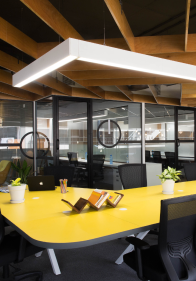
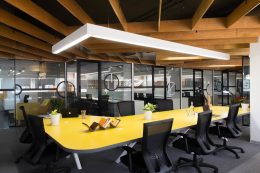
GoodWorks Cowork, for example, is setting a benchmark with ultra-spacious seat ratios (65–75 sq. ft. per seat), design-driven interiors, and enterprise-grade infrastructure.
The future of coworking in India looks promising:
Operators that offer not just space, but productivity-focused, tech-enabled, and wellness-driven environments, will dominate the next growth phase.
India’s coworking and flexible workspace industry is entering a new phase of maturity and scale in 2026. Backed by enterprise adoption, hybrid work, startup growth, and strong investment, the future of work is flexible and coworking is leading the way.
For businesses looking to stay agile, reduce CAPEX, and enhance employee experience, flexible workspaces are not just an option they are a strategic necessity.
Join the future of work. Discover how GoodWorks Cowork can power your next move.